De Ridder-matige Huysen en Gesighten in de Provincie van Utrecht Getekent en in ‘t Licht Gebracht door C. Specht tot Utrecht Aº, 1703
Author: Specht, Casper
Year: 1703
Edition: First edition
Publisher: Utrecht; C. Specht
The second issue (as far as it concerns the title page) of this extremely rare and important topographical book which (though unlikely, given the dates of the engravings) may have been published first in 1698. The date on the engraved title page bears the year 1703, while the rest of the engraved title page is exactly identical to the 1698 edition. Oblong 4to, measuring 20 x 30 cm and containing an engraved title page plus 32 fine engravings by or after Caspar Specht, which have been numbered by pen in an old hand.
The (near) contemporary (early 18th century) binding of parchment over brocade paper covered boards is rather worn and soiled, but still very sound. Moreover quite obviously at the end eight leaves have been removed. There is a very small library stamp on the back side of each plate.
The plates are strong and clean, though there is occasionally some minor browning, mostly restricted to the margins and sporadically a very little spotting here and there.
The importance of this publication by Caspar Specht is derived amongst others from the differences we can see with the drawings that Roelant Roghman made about half a century earlier of the same castles in the province of Utrecht. Schonauwen castle e.g. was transferred into quite a different house during this period, as was the castle of Beverweerd, while of castle Den Ham we can see on Roghman’s drawings that the roof on the keep is missing, while on the view by Specht this roof has been restored again. Also significant are the changes made to Vleuten castle and others.
Occasionally this book contains the oldest known picture of a castle, like i.e. castle Den Engh.
Here below the complete list of plates as bound in this copy. Of each plate the date is mentioned, as well as the name(s) of the engravers.
List of (hand numbered) plates:
01 – 1698, C. Specht, Het Konings Jacht-Huys Soestdyk
02 – 1699, C. Specht, ’t Huys tot Renswoude
03 – 1700, C. Specht, Carsbergen te Seyst
04 – 1698, C. Specht, ’T Huys tot Seyst
05 – 1699, C. Specht, ‘T Huys tot Seyst van Achteren
06 – N.D., C. Specht, Het Huys te Sandenborg in Langbroek
07 – 1698, C. Specht, I. van Vianen, ‘T Huys tot Beverweert
08 – 1702, C. Specht, ’T Huys tot Hermelen
09 – 1698, C. Specht, I. van Vianen, ’T Huys tot Rysenborg
10 – 1698, C. Specht, ’T Huys te Schoonauwen
11 – 1698, C. Specht, ‘T Huys te Rynhuyse
12 – 1698, C. Specht, Huys te Vuylkoop
13 – N.D., C. Specht, J. Vianen, ’T Huys te Rynouwen
14 – 1699, C. Specht, ’T Huys te Schalkwyk
15 – 1697, C. Specht, I. van Vianen, ’T Huys Den Engh
16 – 1697, C. Specht, I. van Vianen, ‘T Huys te Haar
17 – N.D., Broedelet, ’T Huys te Rynen-borgh
18 – N.D., C. Specht, J. Vianen, ’T Huys te Vleuten
19 – 1698, C. Specht, ’T Huys den Ham
20 – N.D., C. Specht, J. Vianen, ’T Huys te Voorn
21 – 1697, C. Specht, I. van Vianen, Huys te Nederhorst
22 – 1700, C. Specht, Nyenrode by Breukelen
23 – 1699, C. Specht, T Huys tot Loenersloot
24 – 1698, C. Specht, ’T Huys te Gunter-steyn
25 – N.D., C. Specht, J. Vianen, ’T Huys te Zuylen
26 – 1700, C. Specht, I. van Vianen, ’T Casteel te Duerstede by Wyck
27 – 1702, C. Specht, ’T Huys te Batestyn of ‘t Hof te Vianen
28 – N.D., C. Specht, Lamsweert, ’T Gesigt van de Betuwe
29 – 1697, C. Specht, Amersfoort
30 – 1697, C. Specht, Rhenen
31 – 1698, C. Specht, Wyck by Duerstede
32 – N.D., Lamsweerde, Montfoort
WorldCat only locates two copies; one with an identical title page as our copy in the Pierpont Morgan Library and a copy with the 1698 title page at Twente University Library, which should have 36 plates. However, this number includes the engraved title page so that there are actually 35 plates. In comparison to our copy there are 4 additional plates, depicting the castles of Heemstede, Plettenburg, Sterkenburg and Vliet, while the plate ” ’T Gesigt van de Betuwe ” is missing in their copy.
In the copy which is in the possession of the Morgan Library & Museum there are also plates of the castles of Groenewoude and Oudegeyn.
We have identified seven of the eight missing plates, viz.:
1) N.D., anonymous, ‘T Huys Groenewou van outs Woudenberg
2) 1700, C. Specht, ‘T Huys tot Sterkenborg
3) N.D., C. Specht, Plettenburg te Jutphaes
4) N.D., C. Specht, I. van Vianen, ‘T Huys te Heemstede
5) 1701, C. Specht, ‘T Huys te Vliet te Capel
6) N.D., anonymous, ‘T Huys te Amerongen
7) N.D., Andre Heberle, Oudegeyn by Jutphaes
Despite the date of 1698 on the title page of the Twente University Library copy, the plates in that copy are exactly identical to the plates in our copy, including the dates as mentioned here above(!).
Overall a bright copy with strong impressions of an extremely rare book.
Muller 1120, Tiele 1017.
Acquired from Clarke’s Africana and rare books, Cape Town, December 2007.
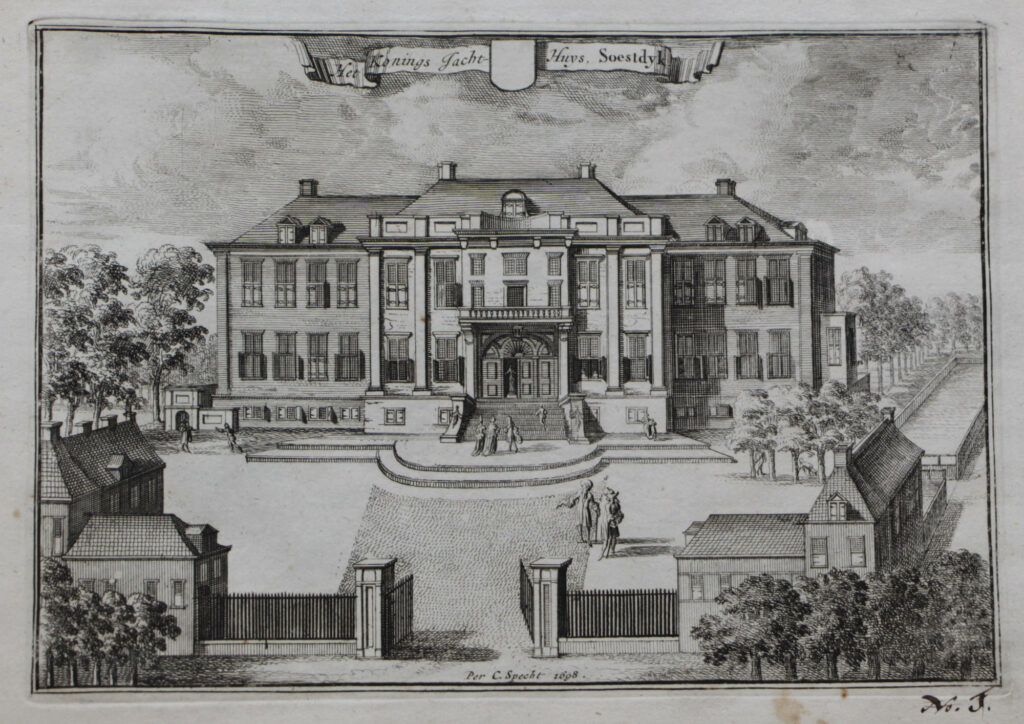
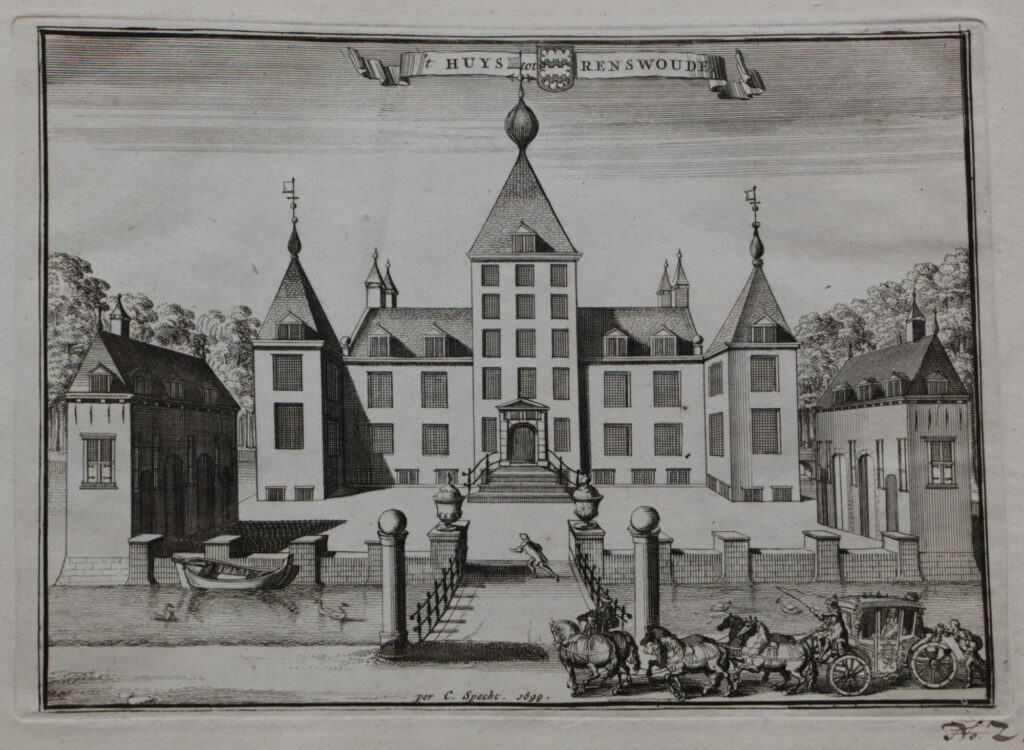
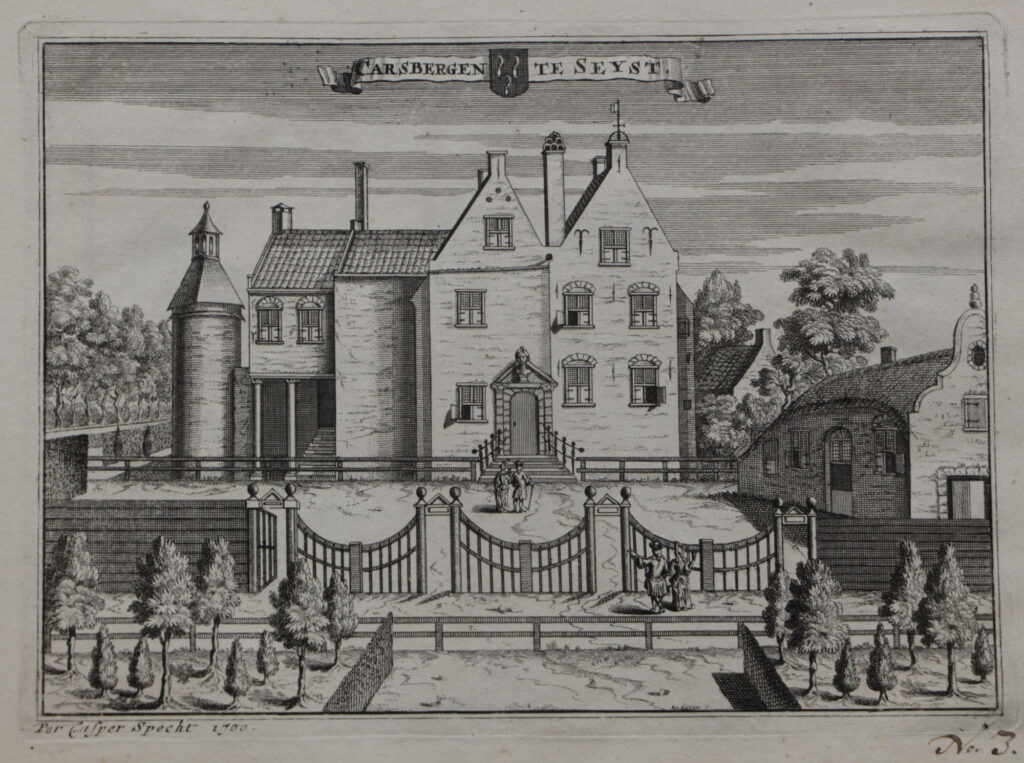
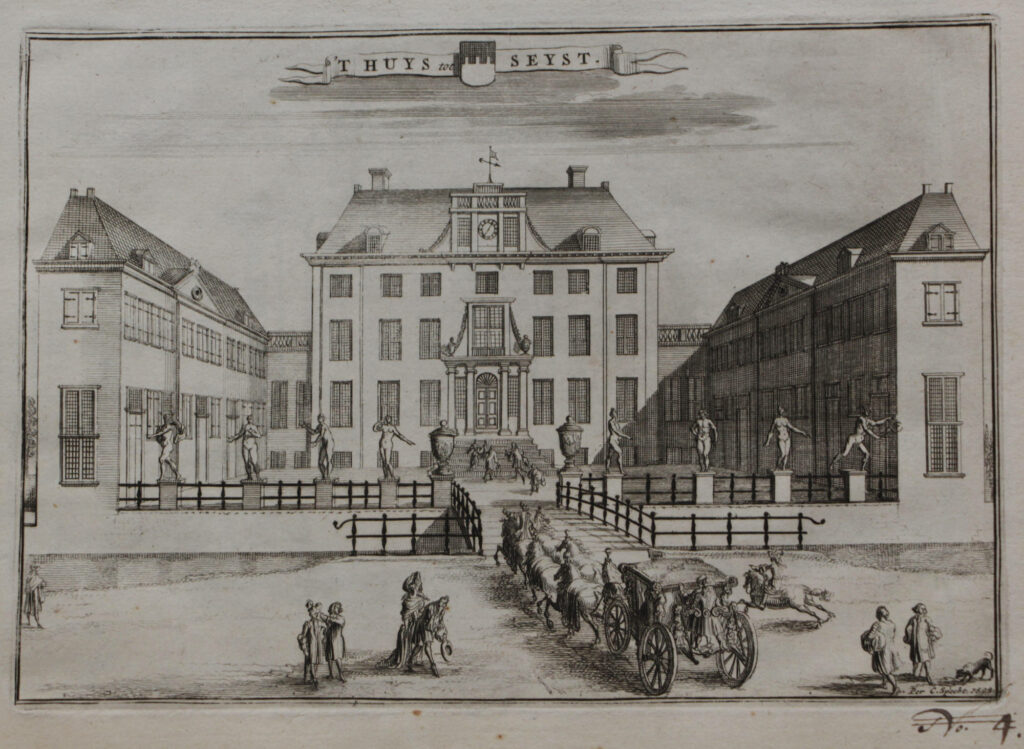
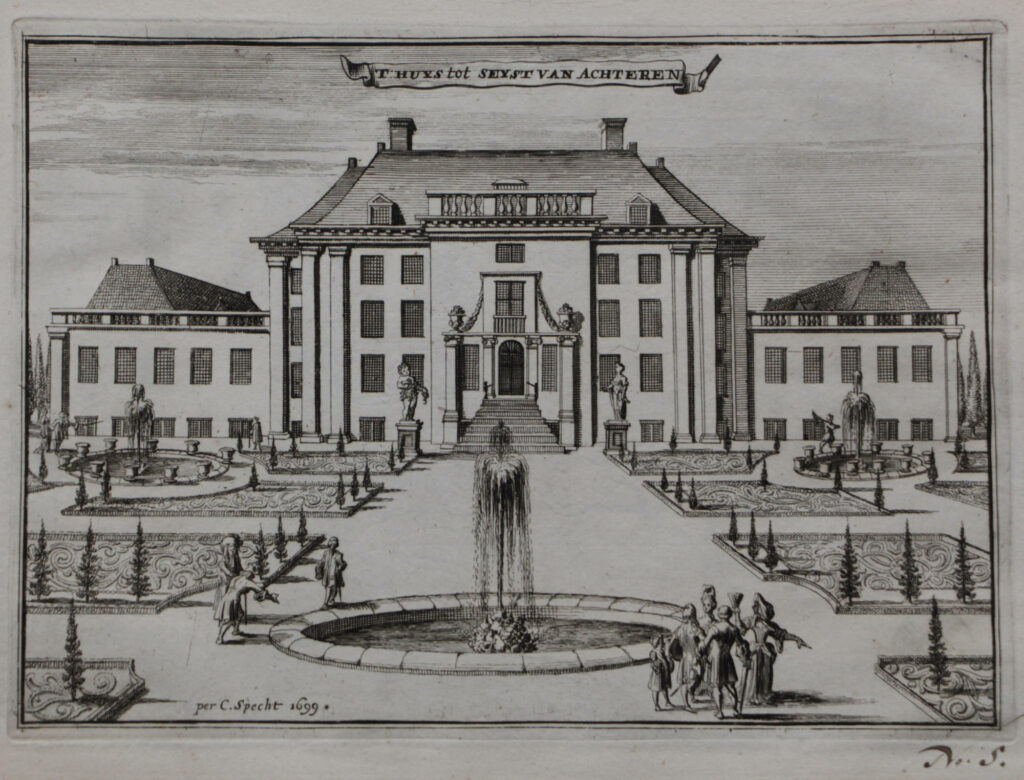
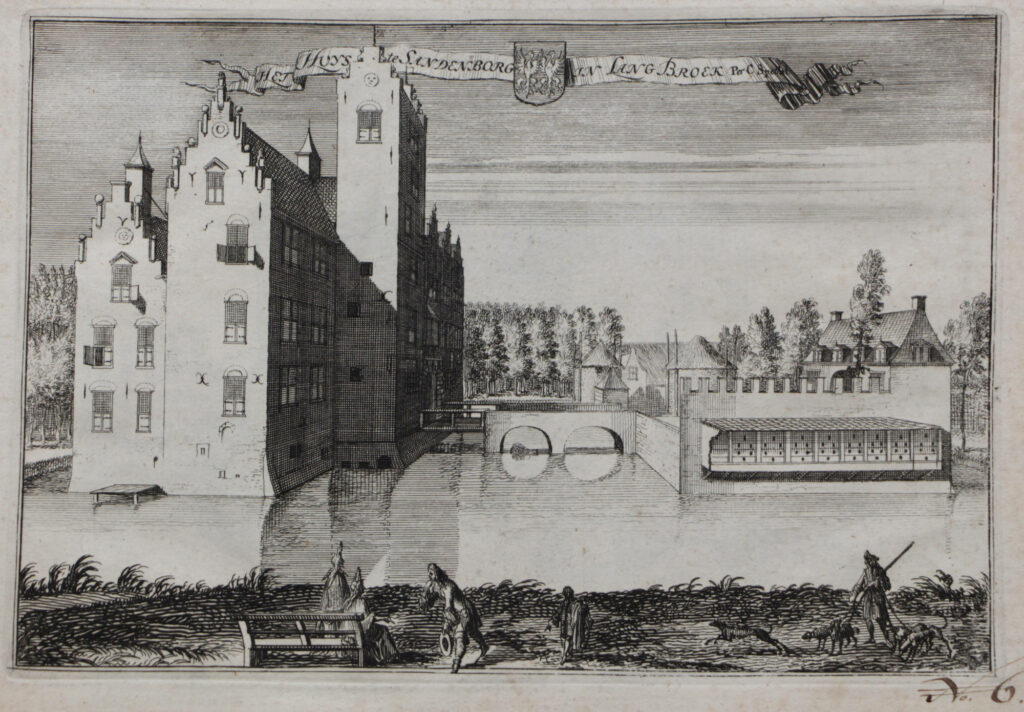
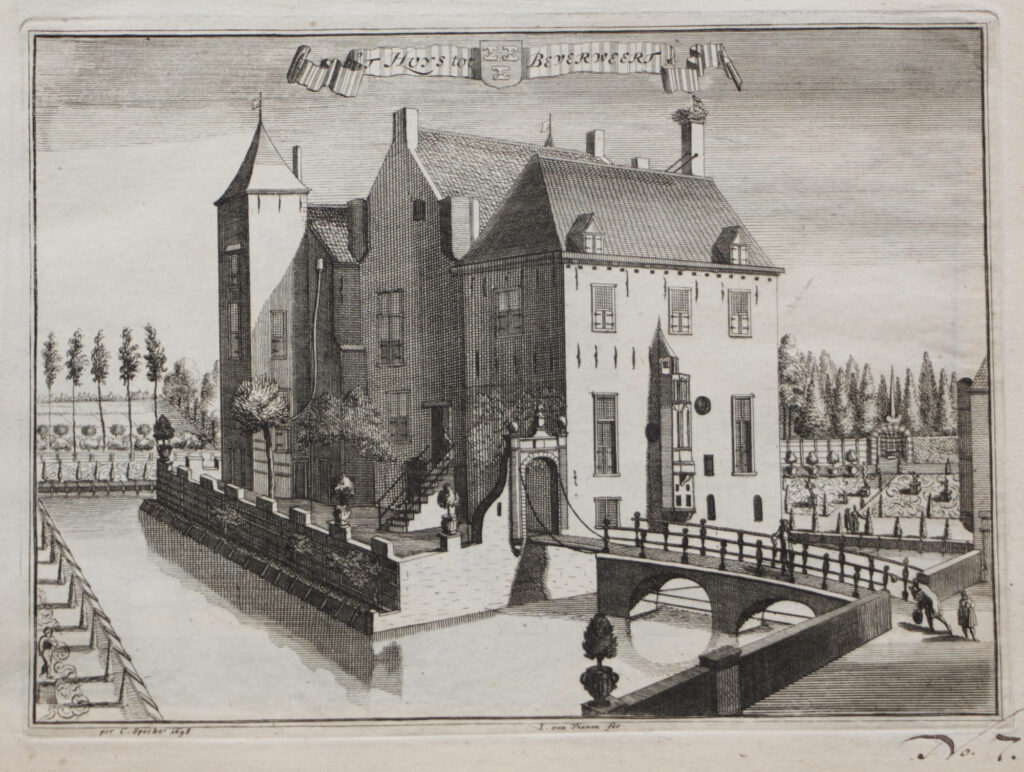
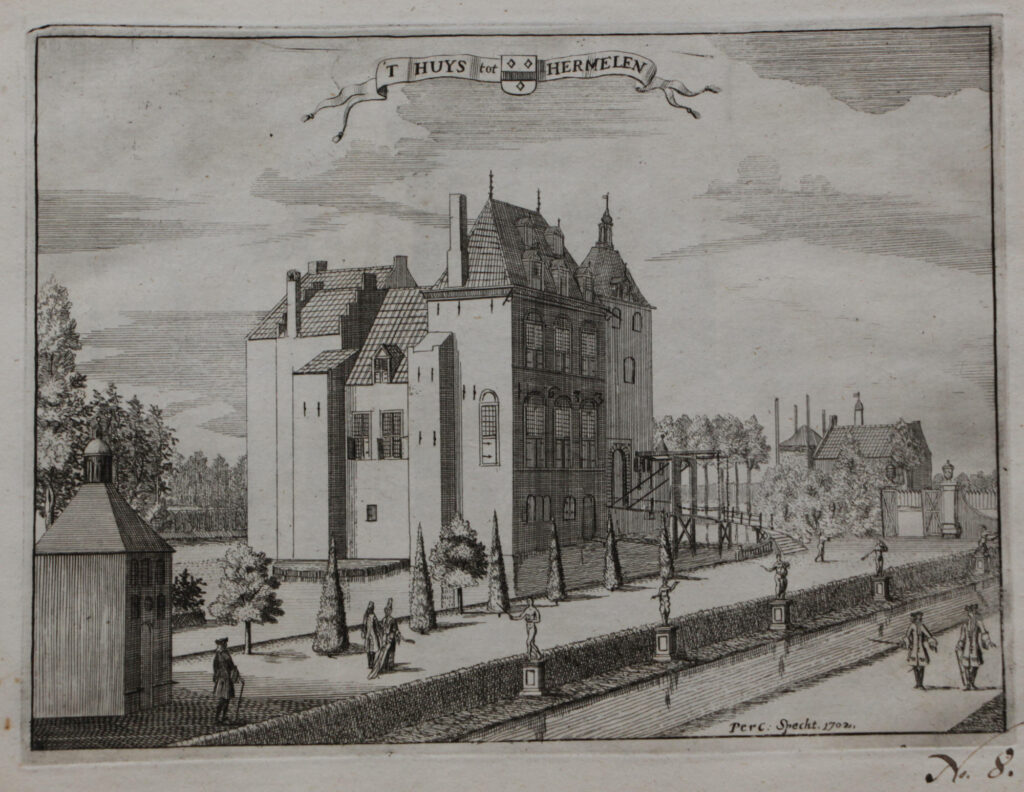
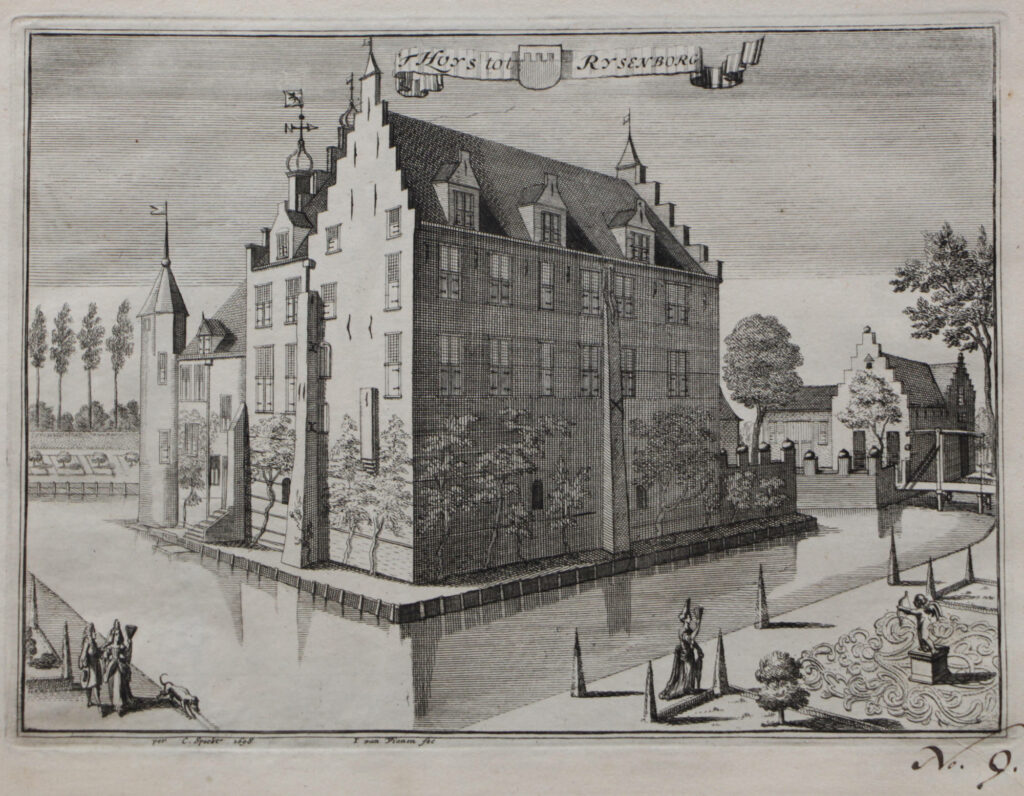
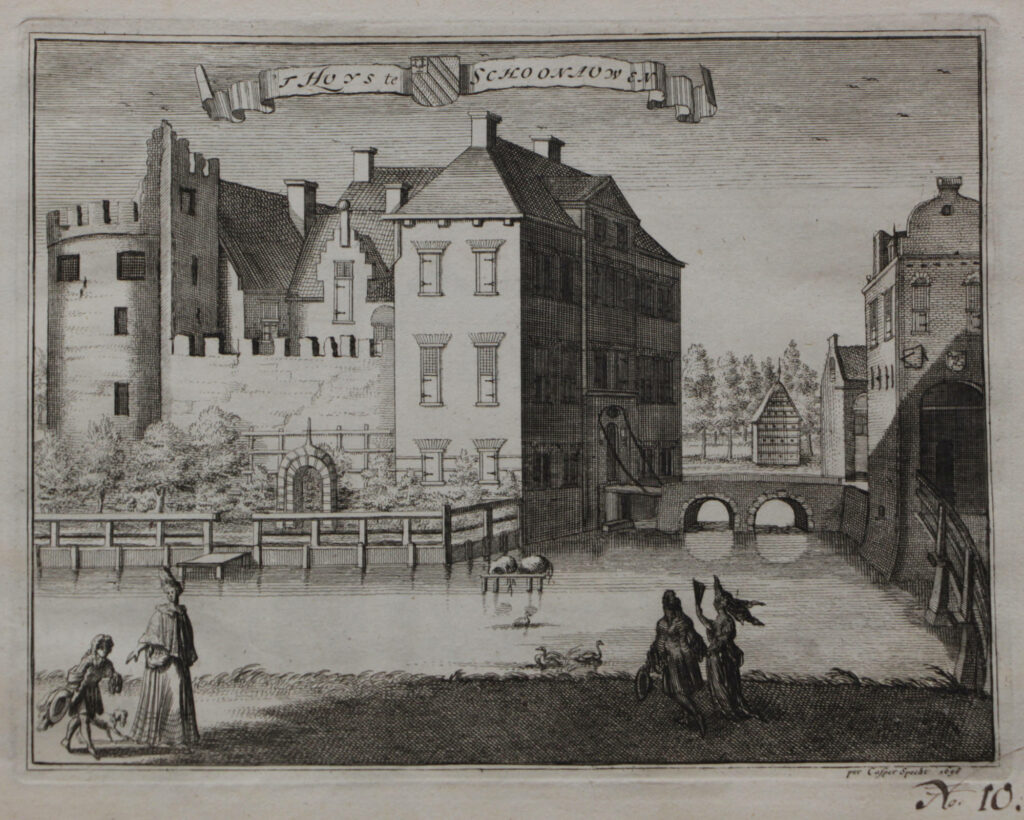
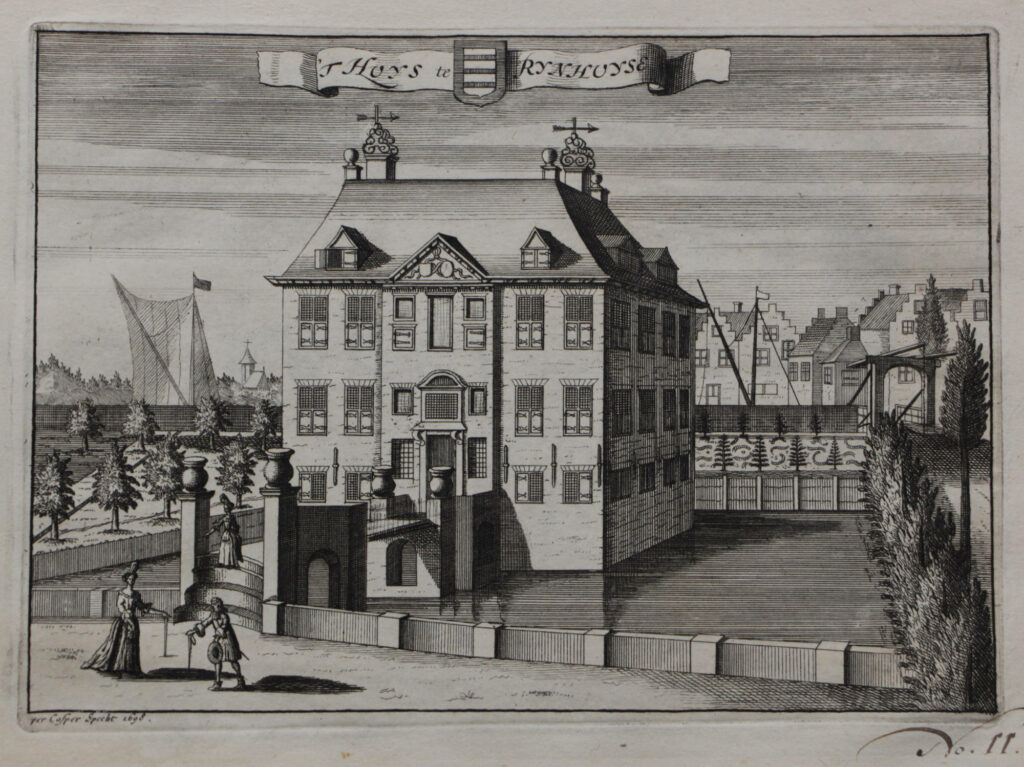
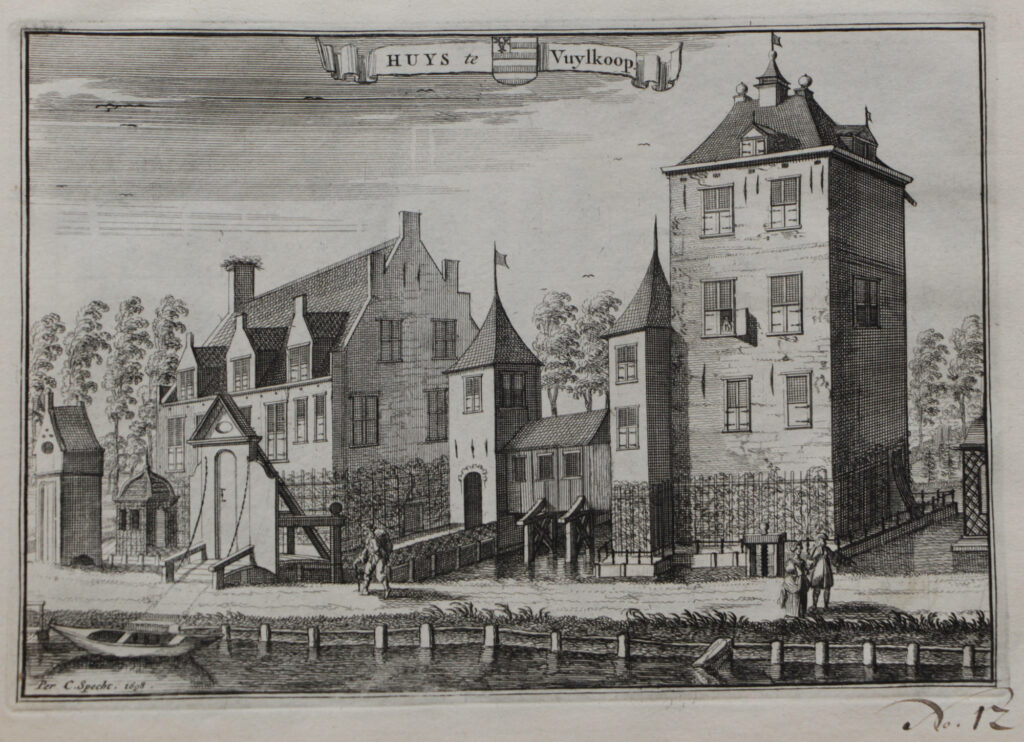
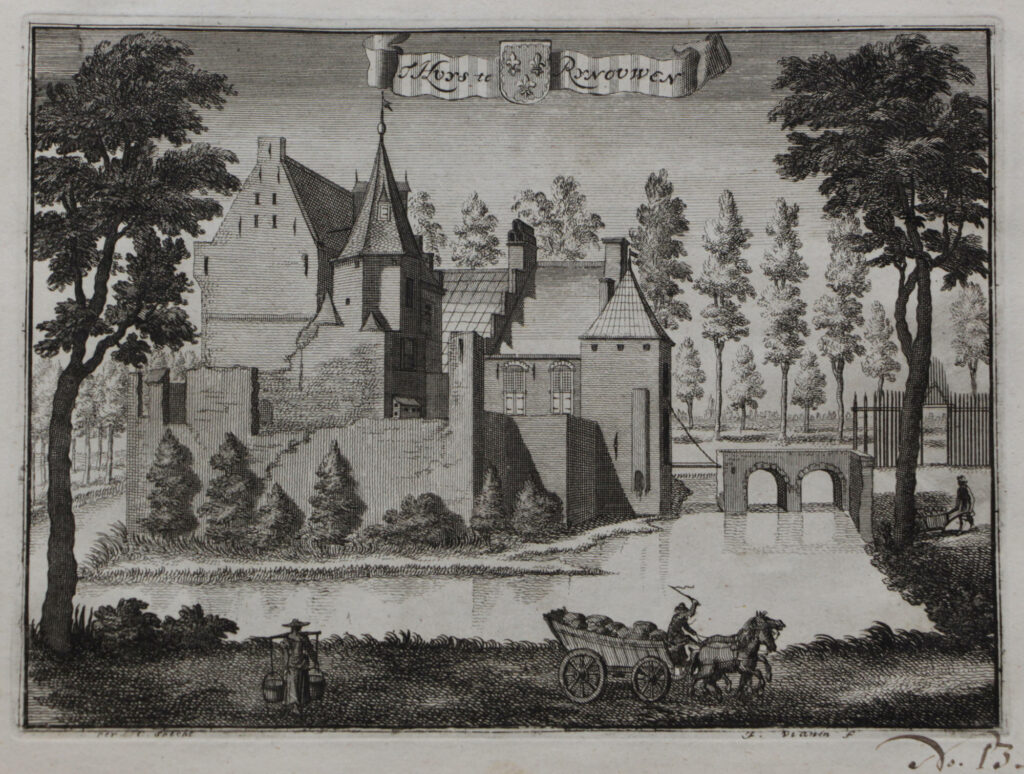
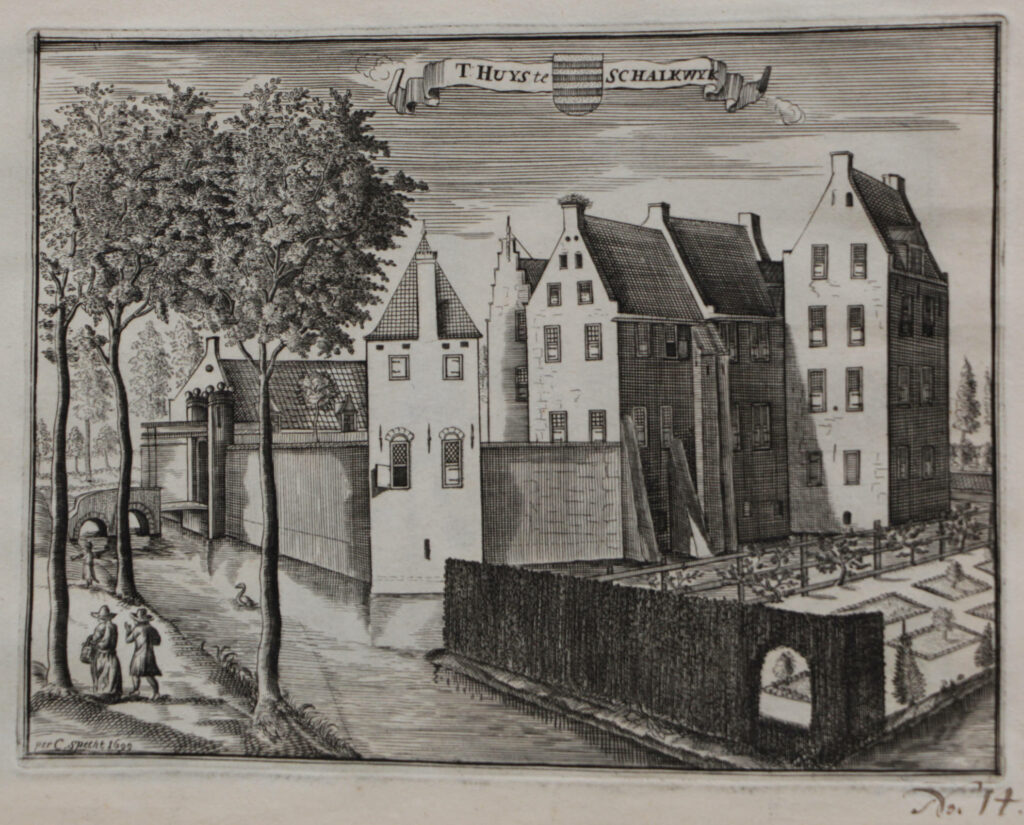
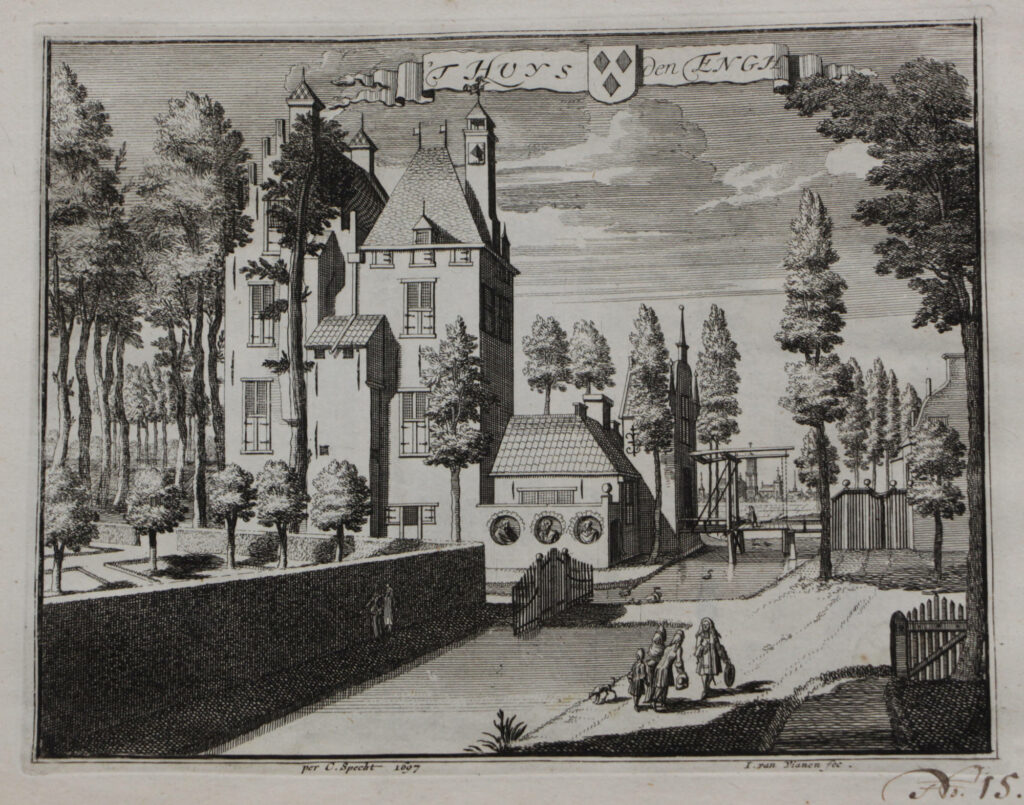
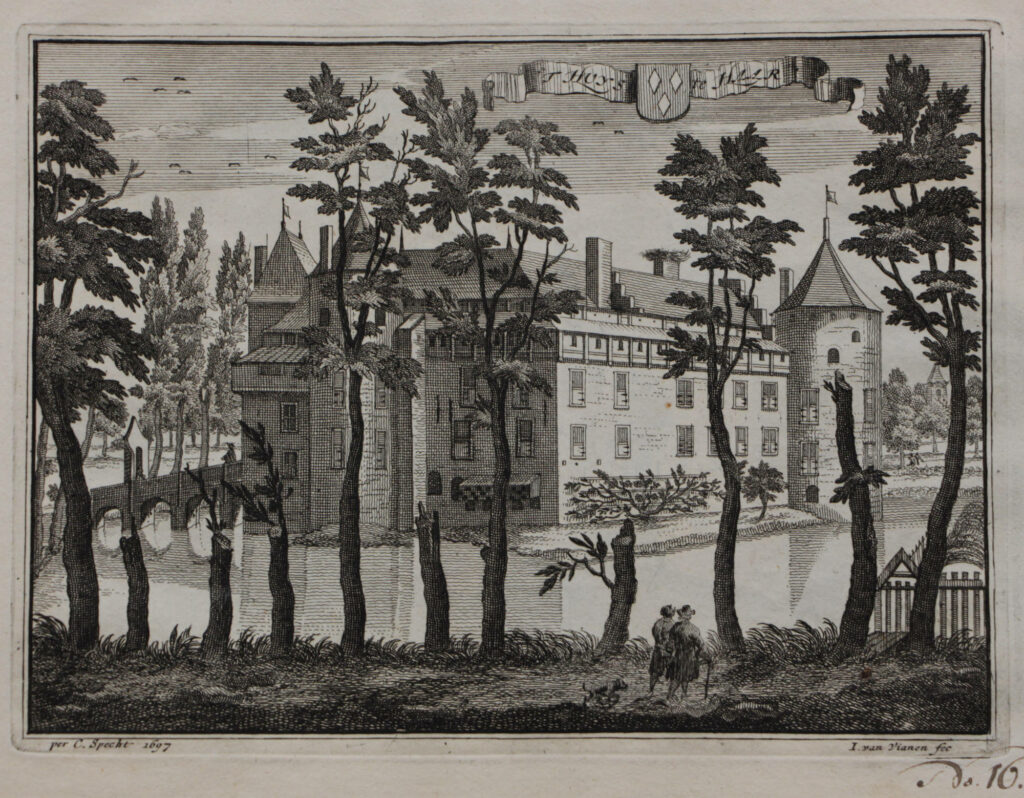
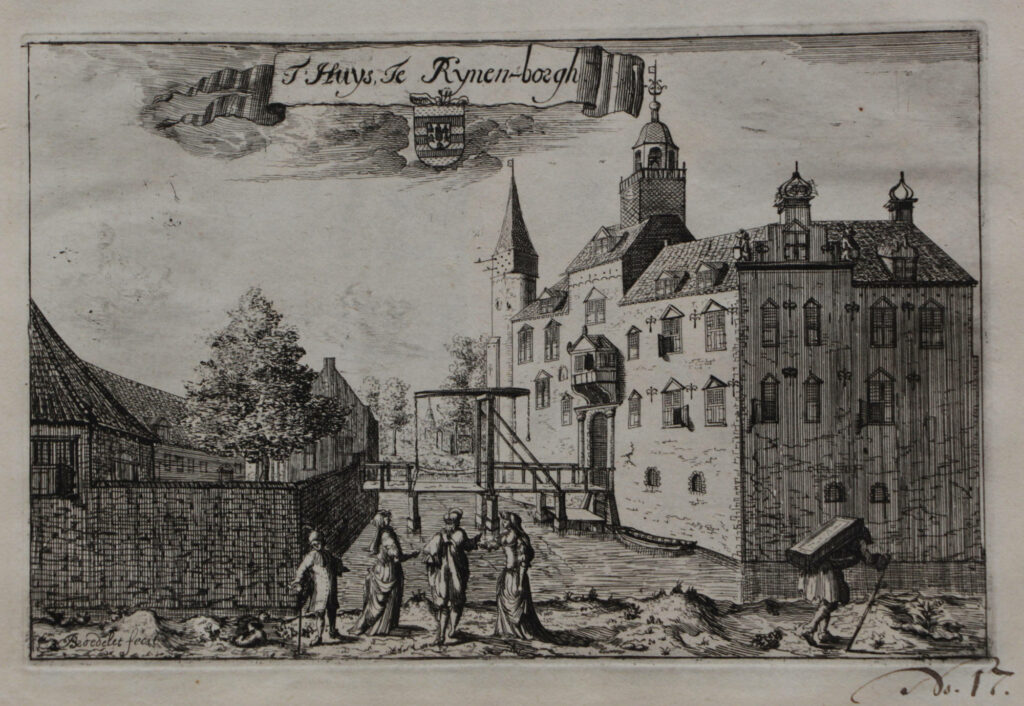
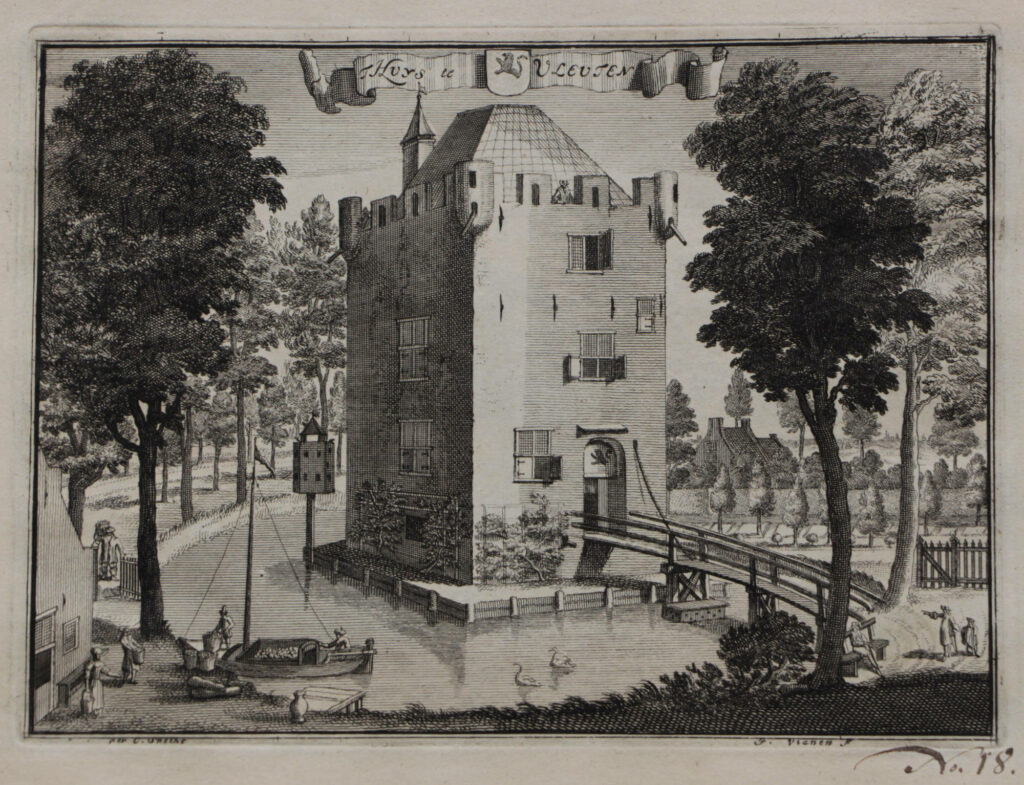
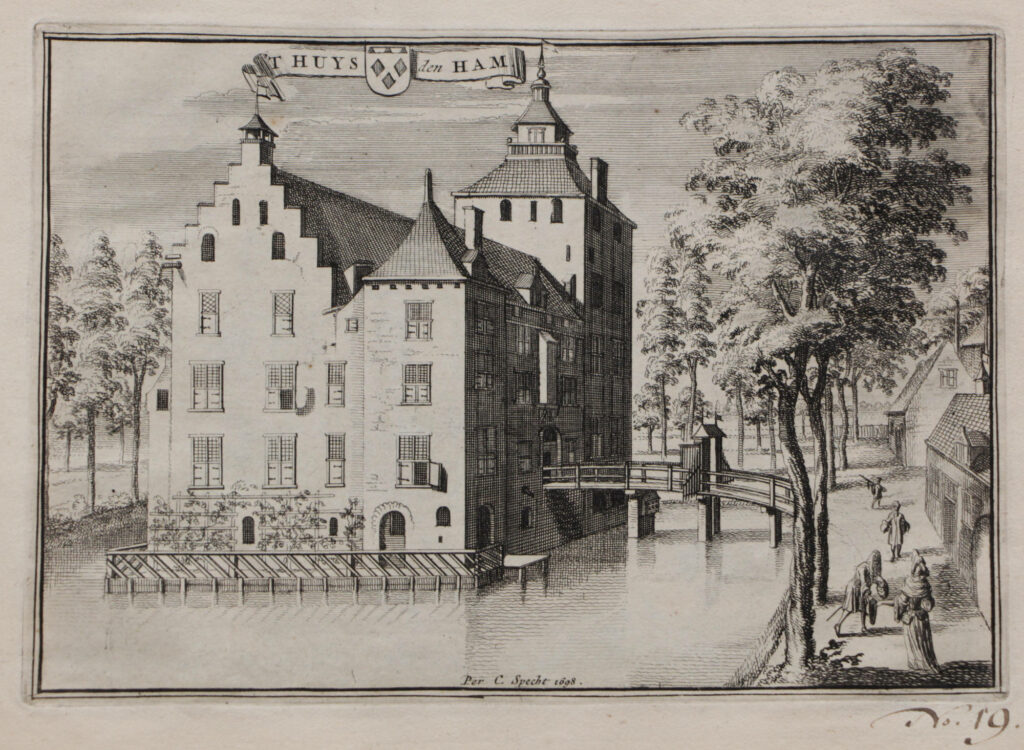
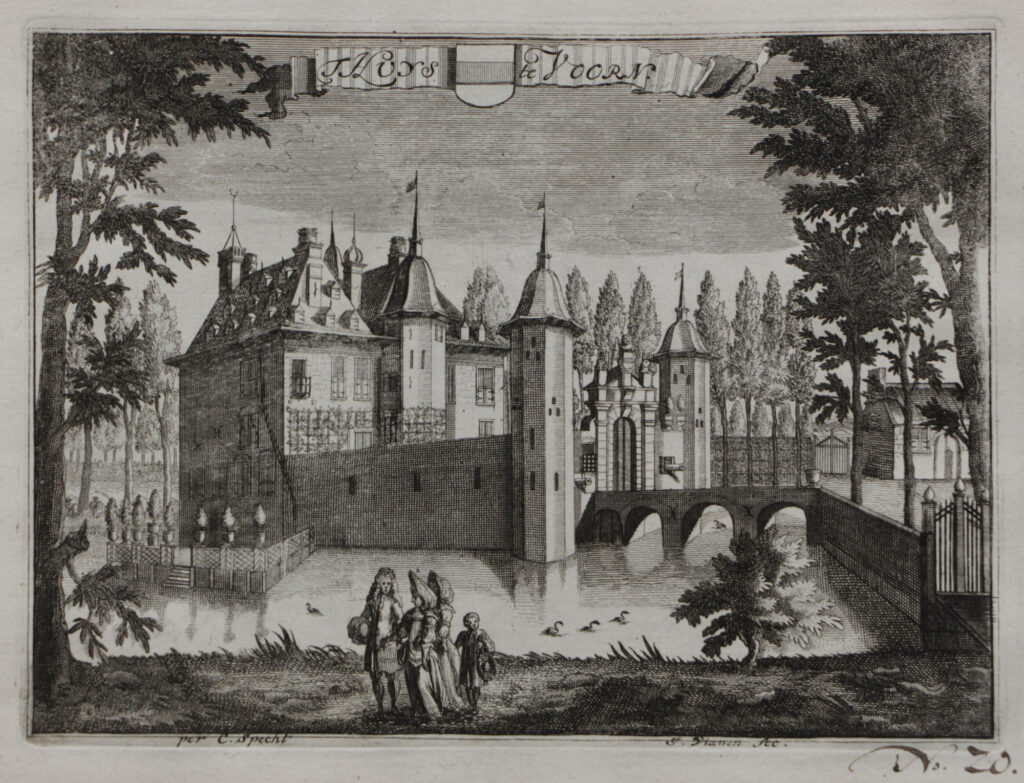
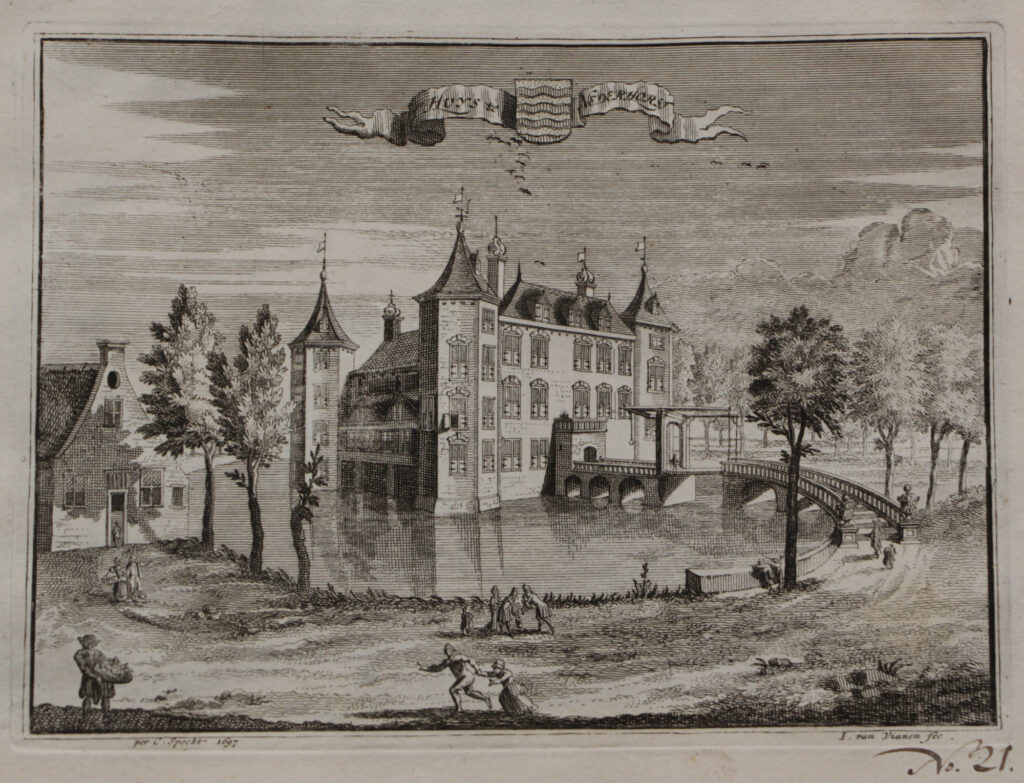
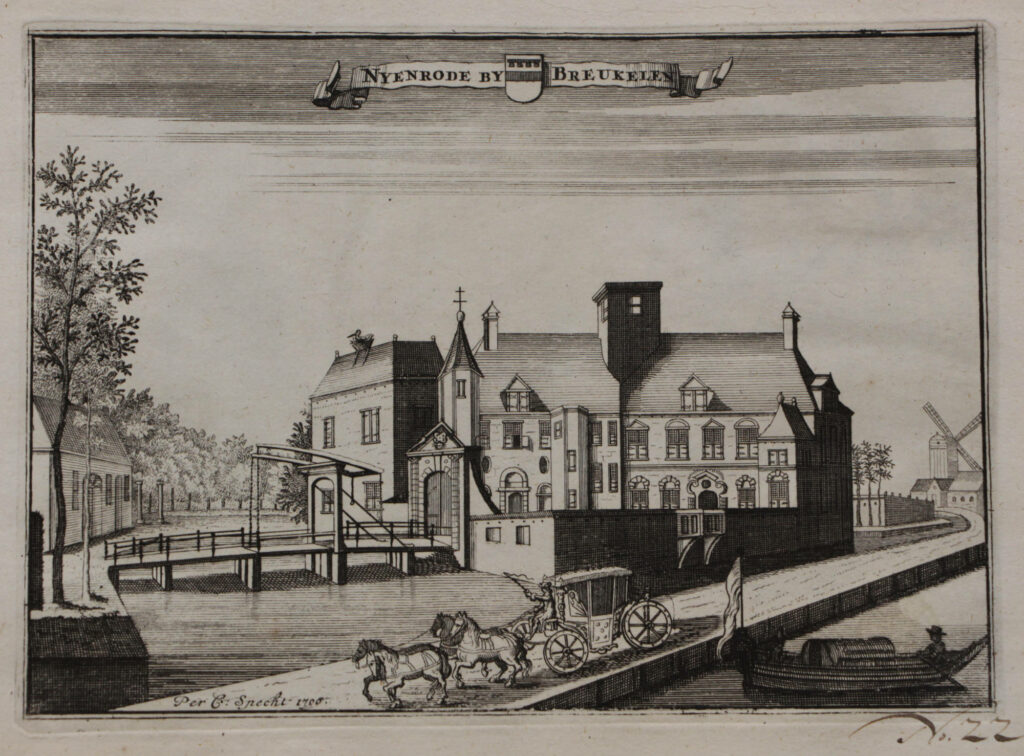
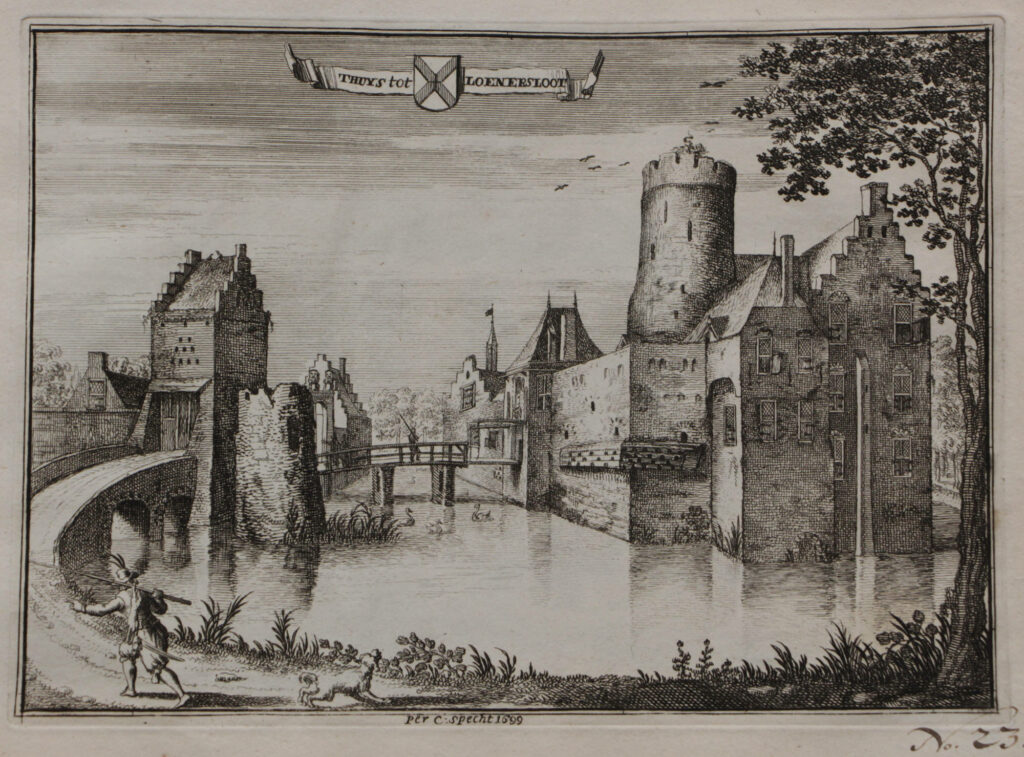
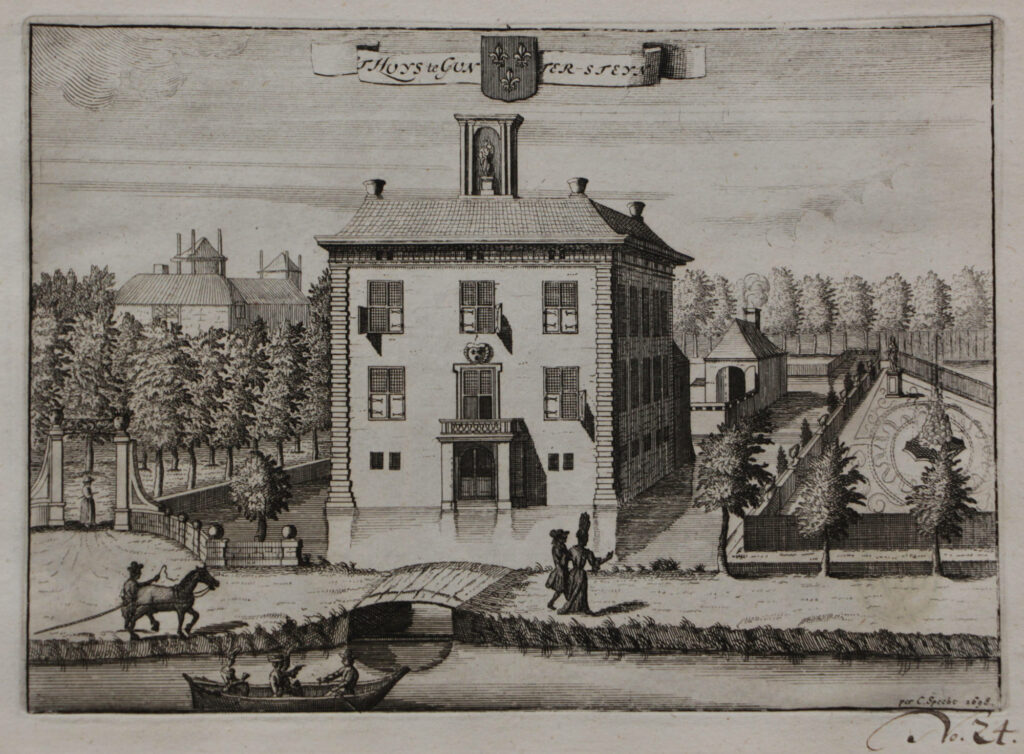
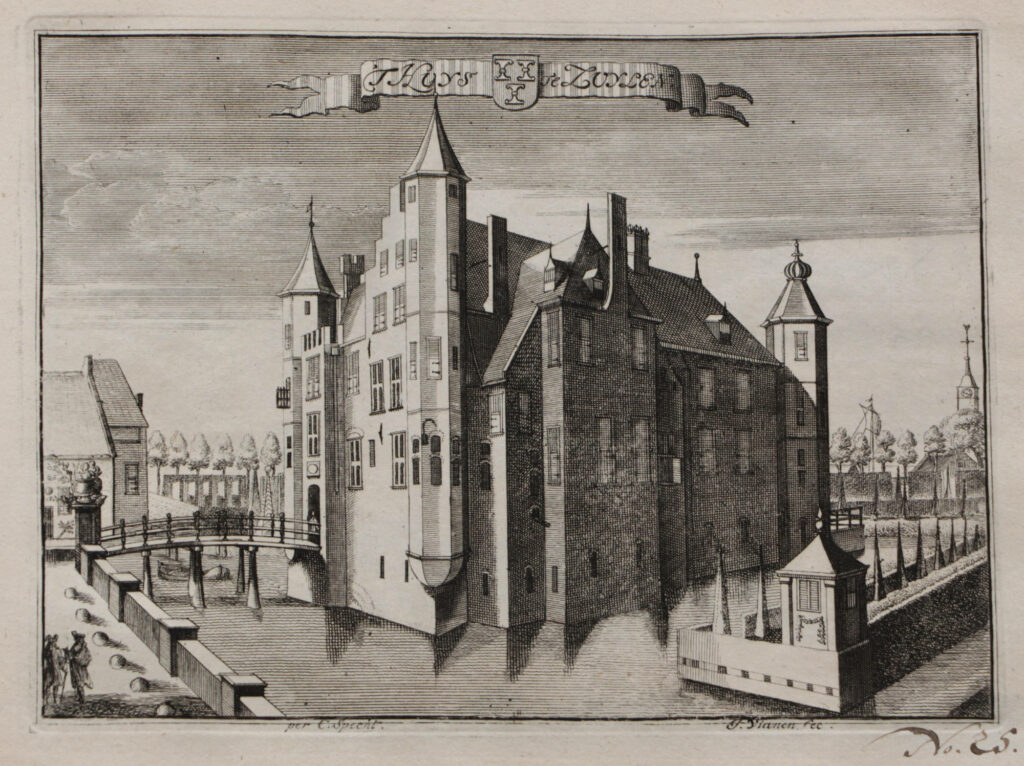
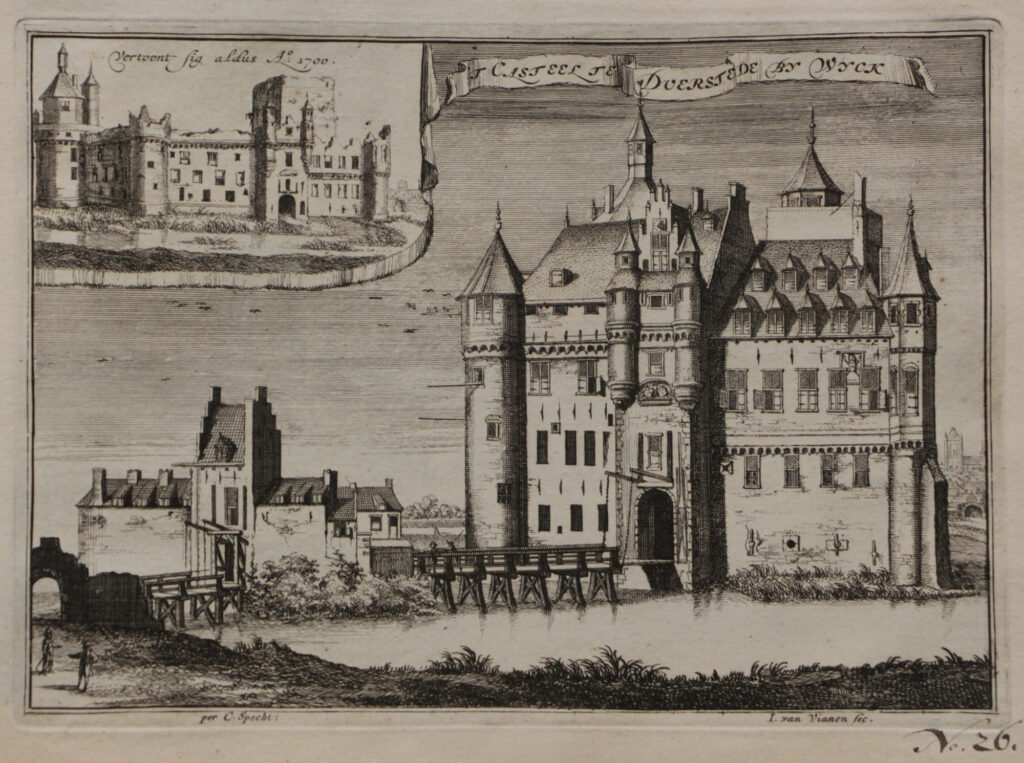
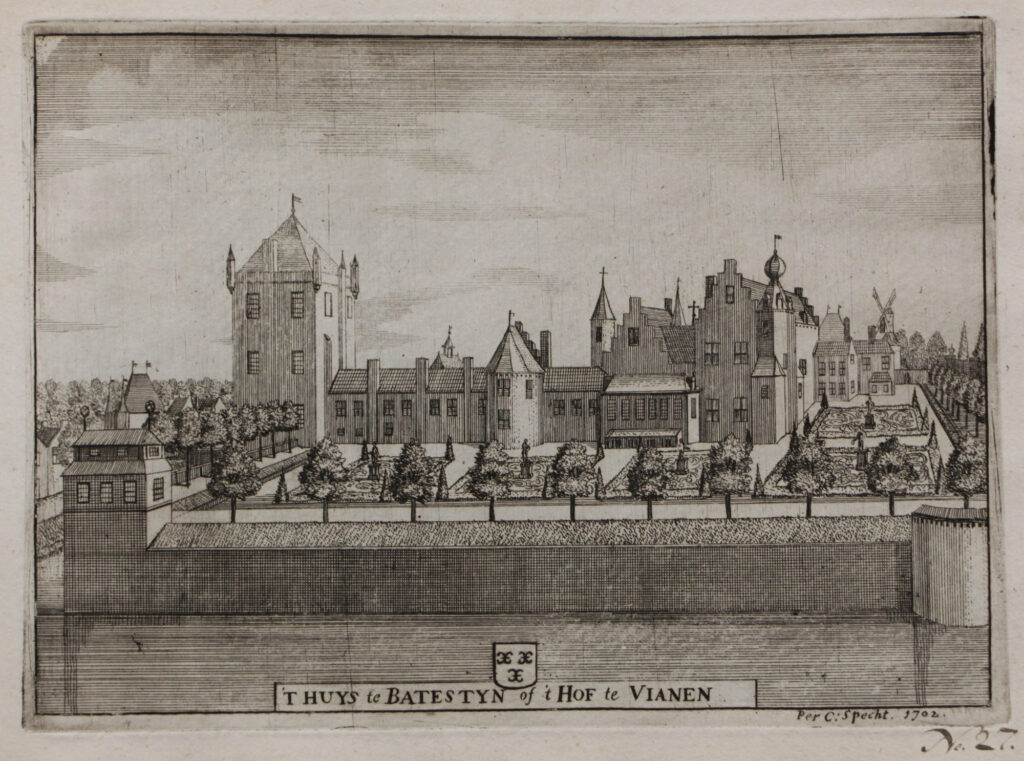
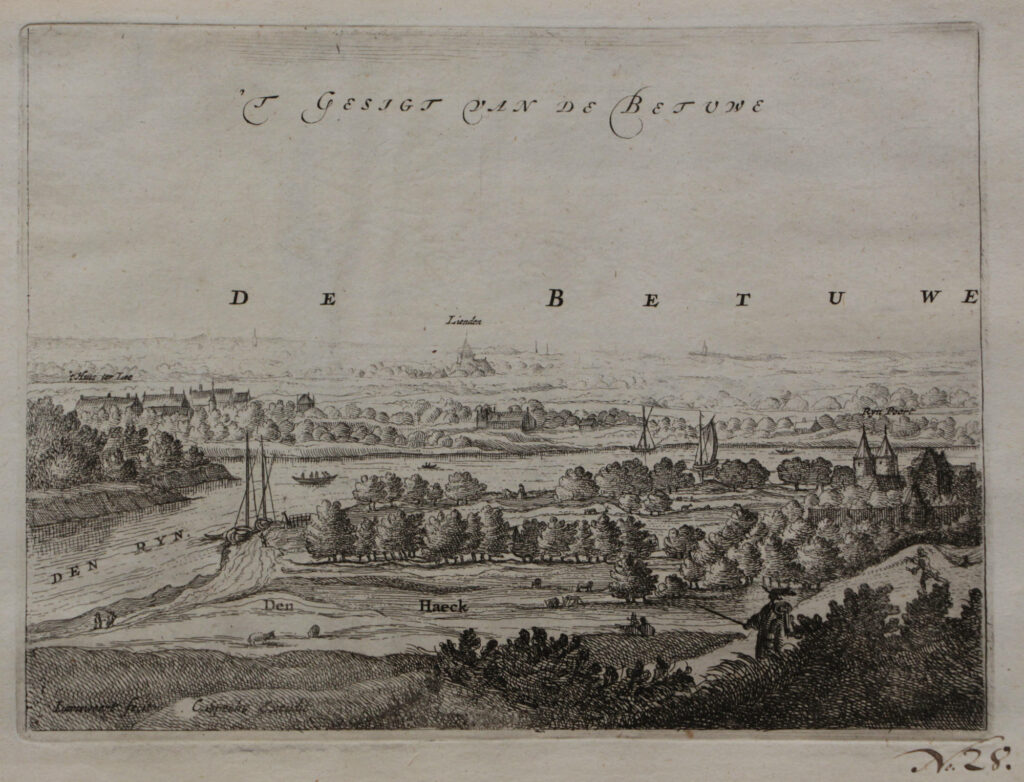
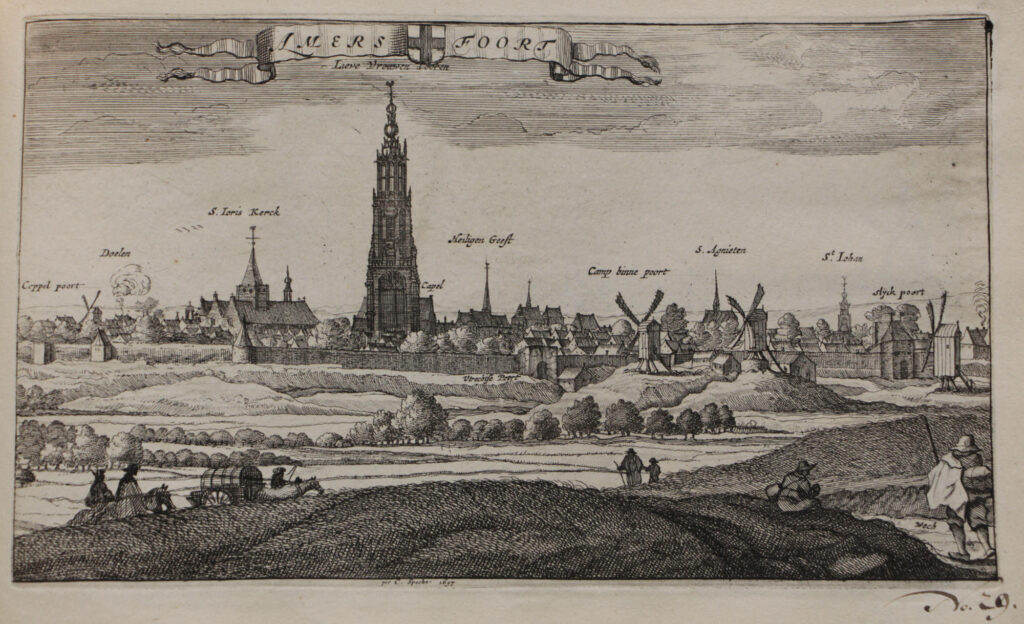
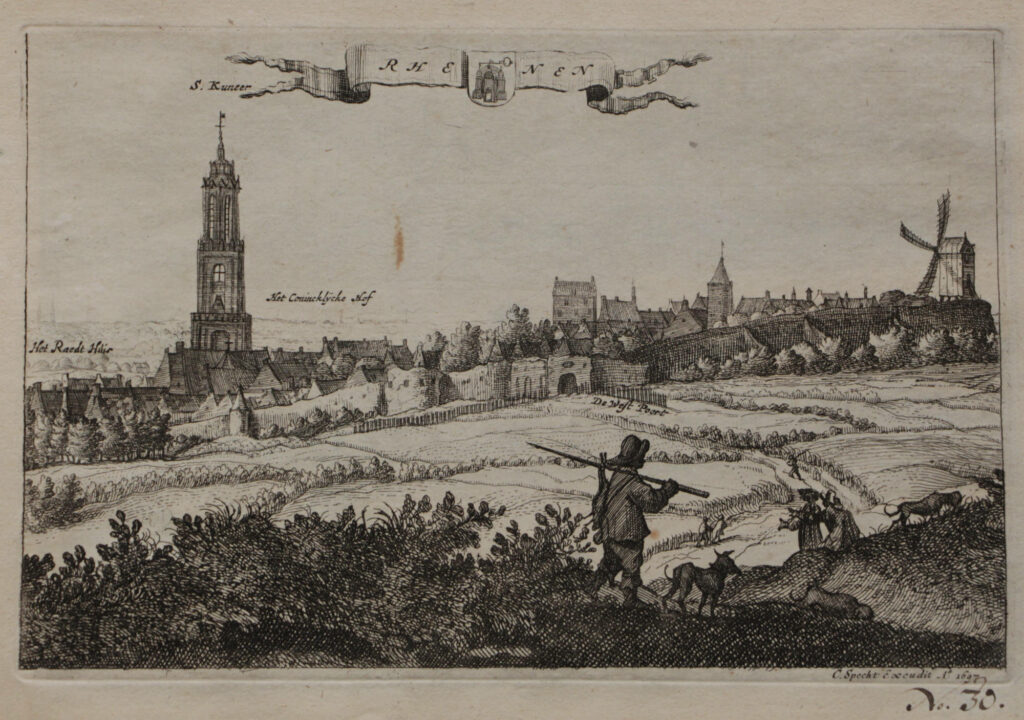
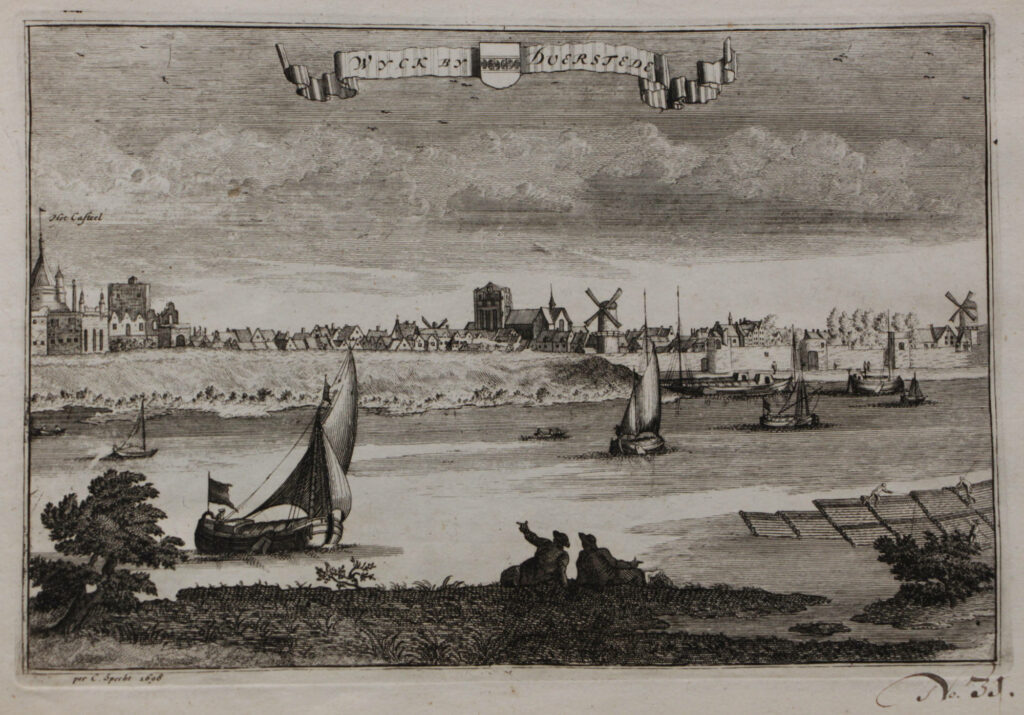
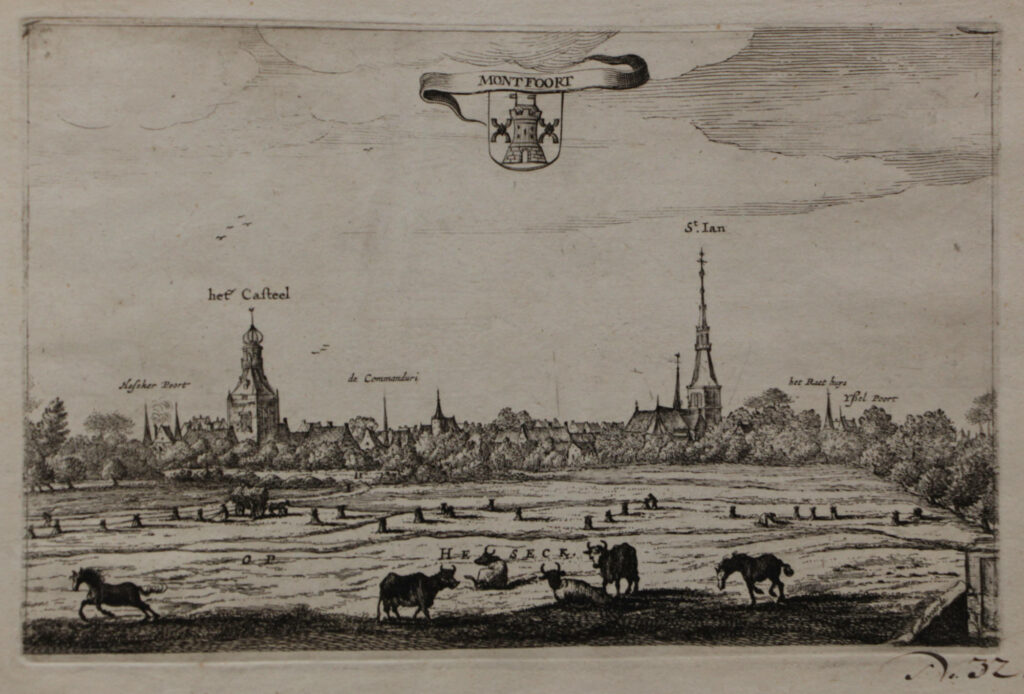
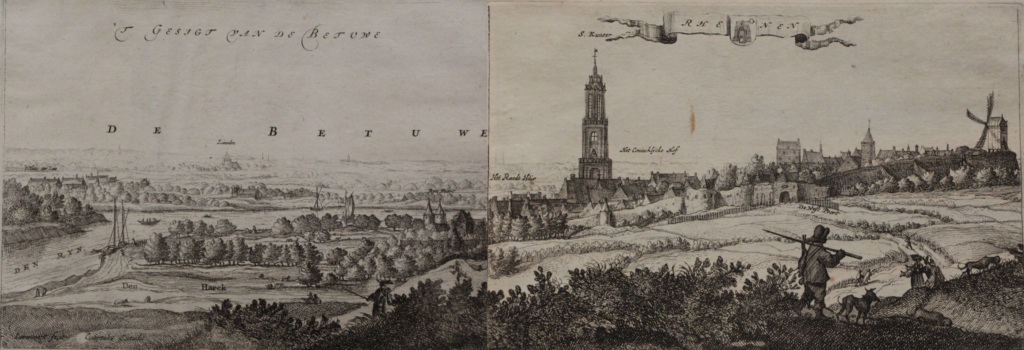
Plate 28 (’T Gesigt van de Betuwe) and plate 30 (Rhenen) combined, the way it was issued first by Van Lamsweerde around the middle of the 17th century.
Caspar Specht was born in Utrecht in 1654 and died there September 25, 1710. He was a son of Herman Specht, an engraver, etcher, printer and publisher in that town. Apart from these few facts, little is known about him. He has drawn and published a few maps, however, never an atlas. Moreover he published some views. His only publication that ever appeared as a book is this book: “De Ridder-matige Huysen, etc.”
It is very well possible that these plates were printed for subscribers only, as the plates for this work are dated from 1697 up till 1702, while we know that there exists an engraved title page bearing the year 1698, of which the only known copies are kept at Twente University Library (with 35 plates) and in Het Utrechts Archief (with 32 plates). Possibly this may explain why so very few copies survived; by the time the subscribers received the last plates and could have them bound, probably many engravings already had been framed or gone astray.
The copy here bears the date of 1703 on the title page. Further it is fully identical to the title page with the 1698 date. So probably, after having finished his partly dated series of castles and views, but now with an outdated title page, Specht decided to reuse his title page engraving, only now with a more appropriate date. On studying the current title page closely, it is still visible where the upper parts of the “6” and the “8”, as well as the tail of the “9” in the original plate have been erased.
Following this theory one might expect that more copies with the 1703 title page would have survived, but to the best of our knowledge less than five copies appeared at auction since about 1950. WorldCat reveals another copy in the Pierpont Morgan Library (¹) with the 1703 title page. So it is possible as well that just a few subscribers requested Specht to adapt this title page before having the book bound.
Given the dates on the engravings the history of this book, however, remains vague. The Dutch bibliographer S. Muller Fz. in ‘Catalogus van den topographischen atlas der provincie Utrecht’ under entry nr. 1120 mentions the title, however, with a very peculiar deviation. He quotes the title as containing the word “gestighten” (edifices) instead of “gesighten” (views). In his description he mentions that there are 8 copper-engravings, but then in his comments he states that this edition should contain 30 engravings (²), all of castles. Given the title he noted, he had no choice as it left no option for the views on the towns as well. Then he continues stating that a new edition was published by Specht in 1703, this time with the correct title, which should contain 39 engravings.
The other Dutch bibliographer mentioning Specht, J.T. Bodel Nijenhuis in his ‘Topografische lijst der plaatsbeschrijvingen van het Koninkrijk der Nederlanden.’ only mentions a French edition under entry nr. 2473: ”Les villes, maisons des nobles, chateaux etc. dans la prov.d’Utrecht; tekst m. platen, door C. Specht en J. Vianen, (Utr.) 1697-1702. langw. 4º.”
So the format probably was the same and, given the title, it probably also contained the views, but further we know no details about this publication. WorldCat reveals no copies and we also were unable to find any auction records. Taking into consideration the date(s) of publication, may-be it even wasn’t a book, but just a collection of plates.
This book marked the beginning of a new era in book publishing which would last for almost two centuries; an era with books depicting the castles and country houses of the nobility and other influential people. Of course these important houses had been drawn and painted already before, however, never with the explicit intention to bring them together in one book.
In the Netherlands there are several eminent artists known for their drawings of castles and country houses in the province of Utrecht (e.g. De Haan, Pronk, Rademakers, Serrurier), of which two are important in connection with Specht too. The first one is Roelant Roghman who made the major part of his drawings in the middle of the 17th century. The other one is Jan de Beijer who drew his pictures about a century later, so with Caspar Specht right in between those two we get a clear view on the architectural history of these houses during this period.
After Specht’s death in 1710 at least a part of his copperplates was acquired by the Amsterdam printer Joachim Ottens who had three sons. All three became printers as well. The two youngest, Reinier who was born in 1698 and Josua, born in 1704, formed a partnership in 1725 after both their parents had died and continued the printing house under the name of “R.& J. Ottens”. They republished several of the maps engraved by Specht. Around 1730 they republished this book as well under the title “Het Verheerlykt Utrecht, Vertoont in de Afbeeldingen der Adelyke en Riddermatige Hofsteden, Gelegen In de Heerlykheid van Utrecht.” together with a map which Specht already had engraved back in 1696 (S. Muller 1121; who dated this publication “c. 1700”), however, with two plates per page. But in this edition any reference to Specht has been erased. Moreover it contains only the pictures of castles, leaving out the views, like the view on Rhenen or the view on Amersfoort.
At an (unknown) earlier date, most likely after 1715 (3) but not before 1710 (4), Joachim Ottens already reprinted these plates, one engraving per sheet, which were published either as a collection of plates or as a book without a title page, the latter of which a copy in a contemporary binding, is kept at Het Utrechts Archief.
(¹) A curator of The Morgan Library & Museum kindly informed us that their copy has 43 plates, including those of the castles of Groenewoude and Oudegeyn, while there is no plate of the castle of Amerongen.
(²) The engraving titled ” ’T Huys te Batestyn of ‘t Hof te Vianen “, present both in the Twente UL – and in our copy, is not included in his (alphabetical) list of 30 castles.
(3) There exists an edition by Kanneman. The cartouche is the same, the title is the same, however, the name of the publisher is different. The text reads:
De / ridder-matige / Huysen en Gesighten / in de Provincie van / Utrecht /
Getekent en in / ’t Licht gebracht / by I. Kanneman / tot Utrecht / Aº 1715.
So the words “door C. Specht” has been changed into “by I. Kanneman” and the year has been changed into 1715. Jan Kanneman apparently sold one or more copies in or around 1715. As he continued his business in that town up till at least 1732, it seems not very likely that he acquired the copperplates of Caspar Specht and then sold them to Joachim Ottens soon afterwards. So most likely he purchased some already printed sets from Specht’s widow, which also explains why most of the plates bear the imprint of Caspar Specht. There are no plates with the Kanneman imprint.
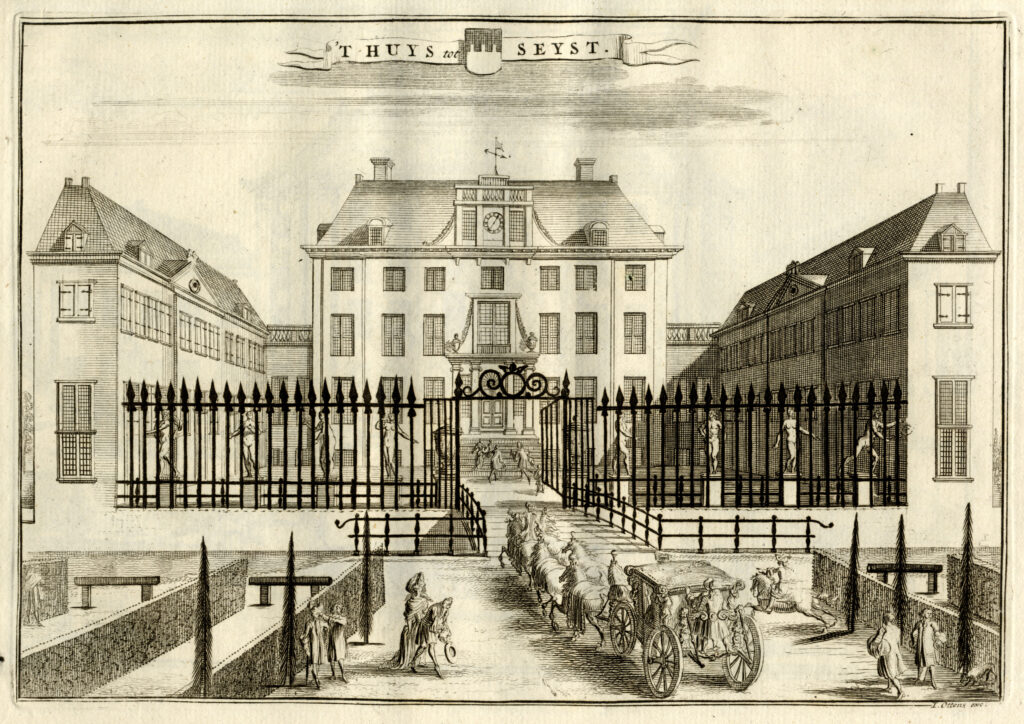
On the plate of ” ‘T Huys tot Seyst” there appears a heavy iron fence right across the bridge plus some rather peculiar ornaments in the foreground which apparently have been added by Specht at a later stage, as they do not appear on the first issue of this plate.
This copy moreover has one very peculiar plate entitled “ ’T Huys te Haar van Agteren ”. Actually in the Kanneman edition it is without a title and without the name of the engraver, however, the copy from the Bodel Nijenhuis collection in the possession of Leiden University (Universiteitsbibliotheek Leiden, P327N017) bears this title.
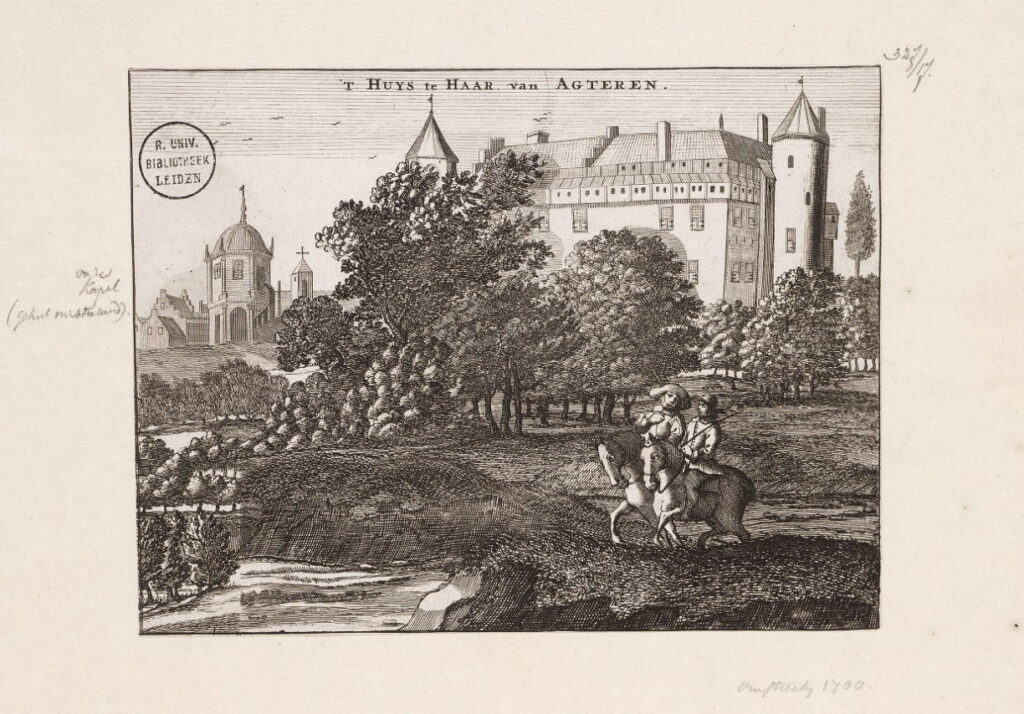
We doubt that this plate was published by Caspar Specht for a number of reasons.
First the plate neither bears his name nor the name of the engraver, which is quite unusual with his engravings. Secondly the style differs greatly from his other drawings of other important houses; normally the pictures revolve around the house, while this picture is centered around two men on horseback with the house only depicted in the background.
The most important point, however, is the fact that the picture is not showing the backside of the house but the mirrored front side. It is extremely unlikely that Specht, who also made a drawing of the front side and who drew pictures of many such houses, would have made a mistake like this. It also probably explains why an unknown later printer, when he added the title afterwards, mentioned it concerned the backside as it quite obviously did not show the known front side of the house. Still later the version with the title was reprinted by Joshua Ottens as well.
(4) Although he worked in Amsterdam already since 1690 as an engraver and printer, first on the 2nd of June, 1710 Joachim Ottens became a member of the Amterdam Booksellers Guild (Source: Repertorium van Nederlandse kaartmakers).
.
.